
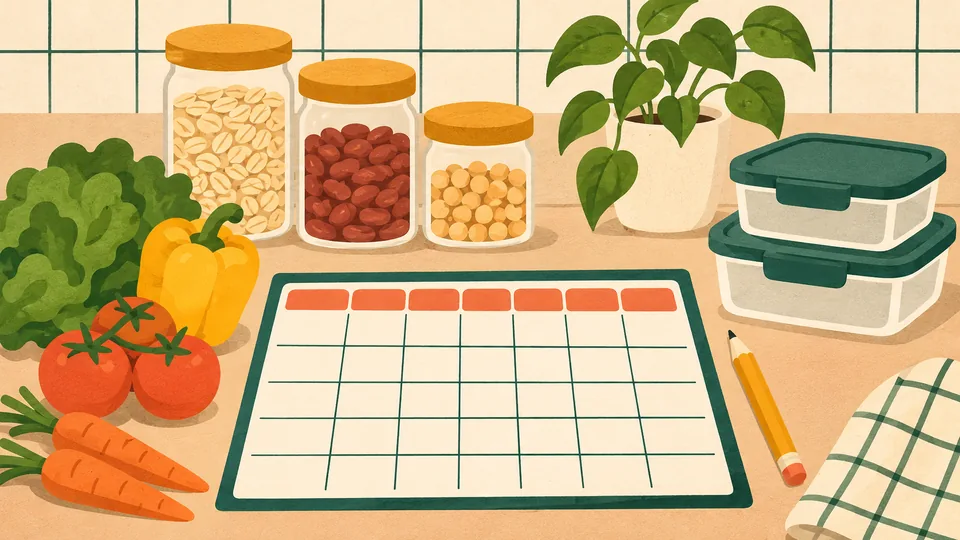
Start with accepted meals
A backup meal is useful only if the household can prepare and eat it under the conditions that caused the plan to fail. Choose familiar options with manageable cooking, allergy, dietary, and equipment needs. Include a no-cook option when power, illness, or time can be a concern.
Start with two or three meals the household already eats when plans collapse. Record every component needed to serve them, including the base, protein, sauce, side, or other essential item. A jar of sauce is not a backup meal if pasta is usually missing. Select foods that fit storage space, preparation equipment, dietary needs, and the skill of the person likely to use them.
Define the complete meal
List every required component, including the item people usually assume is available. A pasta backup may need pasta, sauce, a protein or vegetable option, and any essential opener or cooking fuel. If a component lives in the freezer, note it on the shelf.
Define complete using your household's ordinary standard, not an emergency fantasy. A shelf-stable soup with crackers and fruit may count; dry beans requiring hours of preparation may not. Include instructions only when another caregiver would need them. The goal is a decision already made, so the shelf should not require a new recipe, a special shop, or several substitutions.
Set a hard capacity
Reserve one shelf, bin, or clearly sized area for a small number of meal sets. Capacity prevents emergency planning from turning into overbuying. Do not purchase a case when the family needs two dependable dinners.
- Meal name
- Complete components
- Preparation method
- Allergy or dietary note
- Oldest-use date
- Replacement item
Rotate saved food deliberately with the planned-leftovers method, and decide when this shelf becomes part of a minimum viable household day. Add this task to the free home management planner.
Rotate through ordinary weeks
Schedule one backup meal before its ingredients become difficult to use, then restock only if it still deserves its place. Follow package storage and date guidance. Inspect damaged, bulging, leaking, or compromised packaging and use official food-safety advice when uncertain.
Compare this choice through the real family-meal cost method including leftovers actually eaten and active effort.
Create the replacement rule
When a backup meal is used, add its missing components to the next grocery list immediately. If the household did not like it or preparation was harder than expected, replace the meal design rather than automatically replacing every item.
Use the shelf without guilt
The backup shelf exists for schedule changes, low capacity, unexpected guests, or a meal that failed. Using it is the system working. Pair it with simple produce or a freezer item when available, but do not turn the fallback into another complex recipe.
Review the shelf at the start of each season or after a dietary change. Donate suitable unneeded food through an appropriate local organization before it becomes unusable.
Put the method into practice
Keep only backup meals people will eat
- Choose accepted meals
- Store complete components
- Set a capacity
- Rotate safely
- Replace after use
Practical tip: Set a hard shelf limit and replace a meal only after it proves useful.